
ENGINEERING HIRES MADE IN 90 DAYS
24
OFFER ACCEPTANCE RATE
86%
LOWER COST VS. SEARCH FIRMS
50%
CANDIDATES
SCREENED
200+
THE SITUATION
BE Aerospace made cabin interiors for commercial airlines and business jets, supplying Airbus, Boeing, and most of the major aircraft manufacturers. Their UK division was building out custom engineering solutions for the E350 Airbus program, which required full life-cycle engineering, concept through certification, under tight timelines and strict safety standards.
The program was scaling fast and needed 24 engineers: Principal Systems, Project & Manufacturing, Electrical & Design, and Senior Infrastructure/Networking. That's a lot of specialized hiring on top of everything else the team was already running.
There was a secondary problem. Engineers who'd left the project had spread word industry-wide that it was untenable. That reputation made the talent market cautious, and traditional recruitment firms hadn't been able to get the right people to the table.
THE NEED
This wasn't a broken recruitment function. BE Aerospace had competent people running their hiring. What they didn't have was the bandwidth to source 24 senior technical hires while keeping the rest of the operation moving.
They needed a partner who could understand a diverse set of highly technical roles, fast. Someone who could walk into targeted organizations and be credible with passive senior talent. Someone who could sit across from their most demanding hiring managers and hold the conversation. Help those managers sharpen what they were looking for. Show candidates exactly where they'd fit.
The bar was simple: don’t lower the expertise. If you’re going to add horsepower, it has to run at the same level as the team that’s already there.
WHAT WE DID
We started by learning the culture. Not from a brand document. From the people doing the work.
We spent two days on-site talking to top performers, paying attention to how the organization described the program up and down the chain. What we found was that the engineers who stayed and the engineers who left were describing the same reality. Both groups said the challenges were extreme and the expectations sometimes felt unrealistic. The difference was how they experienced it. The engineers who left called it chaos. The engineers who stayed called it a test of their skills. One they enjoyed.
A moment made it concrete. A manager was presenting new feature designs to the engineering team. An engineer spoke up: "That's never been done before." The room laughed. Another engineer replied: "Yeah, but that's what we said last time too."
One of the high performers put it this way: "Sometimes it's like being dropped in the ocean not knowing which way to swim to find the shore. But it's an amazing beachhead when you get there." That was the insight the market had missed. BE wasn't offering unreasonable work. They were offering the kind of work that a specific type of engineer can't resist, if you tell them the truth about it.
So we stopped softening the pitch. We rewrote how the opportunity was communicated: external messaging, candidate presentations, how hiring managers conducted interviews. We leaned into the difficulty and went into aerospace networks where senior passive talent actually engages. We screened over 200 candidates. Hiring managers saw 42.
“
I was competing for key talent against companies with much larger resources. We needed a differentiator. Inhouse Assist’s methodology for capturing the culture and getting it articulated, and leveraging that language in recruiting is better than anyone else.”
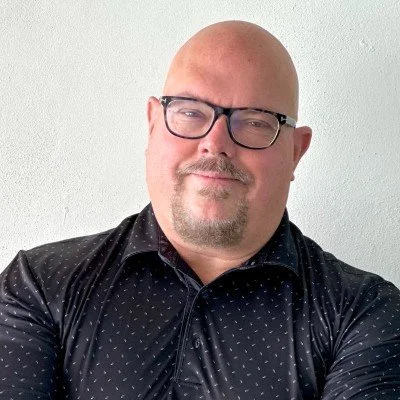
Robert Markovic, Global Talent Acquisition Leader at B/E Aerospace*
*Acquired by Rockwell Collins (now part of Raytheon Technologies)
WHAT HAPPENED
Twenty-four hires in under 90 days. Twenty-eight offers extended, 24 accepted. The cost was half what traditional search firms charge. BE's leadership got back roughly 120 hours they would have spent screening candidates themselves.
But the recruitment numbers were the beginning, not the end. The consistency in communication and hiring standards rippled through the existing organization. Hiring managers who'd been using the reframed language and interview approach with candidates started using it with their current teams. Productivity across those teams increased 38%. BE was able to revisit open requisitions and reduce them by 21%, because the people they were hiring and retaining were performing at a higher level.
The program got staffed with engineers who wanted to be there specifically because the work was hard. And the way they were hired changed how the whole engineering organization talked about itself.